
Caliph Abu Bakr Siddique (R.A): Leadership, Faith & Statecraft
وَأَنْزَلْنَا إِلَيْكَ الذِّكْرَ لِتُبَيِّنَ لِلنَّاسِ مَا نُزِّلَ إِلَيْهِمْ
Explore the inspiring life, unwavering faith, and brilliant statecraft of Hazrat Abu Bakr Siddique (R.A). Learn how the First Rightly Guided Caliph preserved the Muslim nation during its most critical crossroads. Gain timeless leadership lessons from authentic historical sources and earn a verified
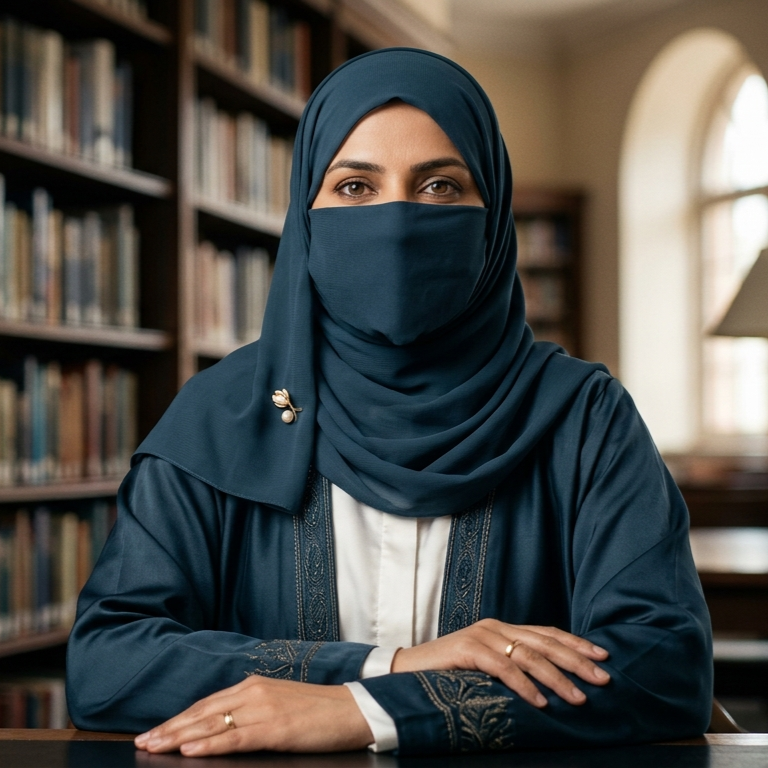
Instructor
Ayesha Maryam Rahmani
Timing
Flexible Timing
6 Weeks
Duration
Beg. to Adv.
Level
470+ Students
Enrolled
English, Urdu, Punjabi & Hindi
Language
About the Course
Discover the Life of the First Caliph of Islam
The life of Caliph Abu Bakr Siddique (R.A) represents the ultimate standard of loyalty, wisdom, and crisis management. As the closest companion of Prophet Muhammad (ﷺ) and the first leader of the Rashidun Caliphate, his decision-making during times of extreme uncertainty saved the Muslim community from collapse. The Caliph Abu Bakr Siddique (R.A): Leadership, Faith & Statecraft Course at Ejlals offers an authentic, inspiring, and academically structured study of his monumental legacy.
Key Areas Covered in This Course:
- Early Life & Unshakable Faith: His pre-Islamic noble character, immediate acceptance of Islam, financial sacrifices, and his title of As-Siddique (The Truthful).
- Companion to the Prophet (ﷺ): His pivotal role during the Makki persecution, the historic journey of Hijrah (migration), and his presence at every major battle.
- Crisis Management & Statecraft: How he stabilized the nation following the passing of the Prophet (ﷺ), united the Sahabah, and managed the critical transition of power.
- Preservation of the Quran: The strategic decision and process behind compiling the noble Quran into a single, unified manuscript (Mus'haf).
- Military Strategy & Governance: Defending the state during the Ridda (Apostasy) Wars and establishing administrative justice across expanding frontiers.
Why This History Matters Today
Abu Bakr’s (R.A) short caliphate of two years was packed with lessons on servant leadership, humble governance, and moral courage. Whether you are seeking spiritual inspiration, historical clarity, or leadership guidance, this program offers clear online lessons, reading guides, and interactive timelines for learners of all backgrounds.
Frequently Asked Questions(FAQs):
Q1: What are the main topics covered in the Caliph Abu Bakr Siddique (R.A) course?
A: The course covers his early life in Makkah, his early conversion to Islam, his sacrifices for the Prophet (ﷺ), his appointment as the First Caliph, the preservation and compilation of the Quran, and his military and governance strategies during critical historical events.
Q2: Why is Abu Bakr Siddique (R.A) considered a masterclass in crisis leadership?
A: During his two-year caliphate, he handled multiple nation-ending crises simultaneously—including widespread confusion after the Prophet's (ﷺ) passing, rebellion among tribes, and security threats—with firmness, consultation (Shura), and political wisdom.
Q3: How does this course explain the compilation of the Quran during his Caliphate?
A: We dedicate specific modules to detailing how Hazrat Abu Bakr (R.A), under the advice of Hazrat Umar (R.A) and led by Zayd ibn Thabit (R.A), systematically gathered scattered written Quranic texts into one verified master manuscript.
Q4: Are the historical sources used in this course verified and authentic?
A: Yes. All historical facts and biographical details are derived from classical, authenticated Sunni references, including Sahih al-Bukhari, Sahih Muslim, Al-Bidayah wan-Nihayah by Ibn Kathir, and Tarikh al-Khulafa by Al-Suyuti.
Q5: What lessons does this course offer for modern leaders and managers?
A: At Ejlals Islamic Horizon students will learn about servant leadership, ethical governance, humility in authority, remaining calm under intense pressure, and making principled decisions while maintaining total empathy for the community.
Q6: Is this course easy to understand for non-native English speakers?
A: Yes, the entire curriculum uses simple, clear, and globally accessible English. Complex Arabic historical terms and titles are clearly defined, transliterated, and explained in context.
Q7: Will we learn about his relationship with Prophet Muhammad (ﷺ)?
A: Absolutely. A significant portion of the course highlights their deep friendship, their companionship during the migration (Hijrah), his sacrifices of personal wealth, and his position as the Prophet’s (ﷺ) primary deputy.
Q8: What were the Ridda Wars, and are they discussed in this course?
A: Yes, the course provides an objective historical analysis of the Ridda (Apostasy) Wars, explaining how Caliph Abu Bakr (R.A) defended the constitutional integrity and economic stability of the Islamic state.
Q9: Is this course suitable for younger audiences or high school students?
A: Yes, the engaging presentations and structured storylines make it highly accessible for teenagers, university students, and adult learners alike.
Q10: Can I learn at my own speed, or are there set class hours?
A: This course is 100% self-paced. You can log in to the Ejlals platform at any time and study lessons, or read course materials whenever it fits your routine.
Q12: How do I earn my official Ejlals course completion certificate?
A: Upon finishing all required units and scoring passing marks at final, your personalized digital completion certificate will be automatically issued through the Ejlals portal.
Ayesha Maryam Rahmani
Ph.D. in Islamic History & Civilization (International Islamic University), M.A. in History, Alimiyyah Degree from Wifaq-ul-Madaris
Instructor at Ejlals Academy
Dr. Aisha Maryam is an Islamic historian, academic researcher, and educator specializing in the Life of Prophet Muhammad (Seerah), the Rashidun Caliphate, the Golden Age of Islam, and the historic contributions of Muslim women to scholarship and society. With over 8 years of university-level and online teaching experience, she presents historical events through authentic classical sources combined with engaging analytical insights.
Her teaching methodology utilizes foundational texts—such as those by Ibn Hisham, Al-Tabari, and Ibn Kathir—while placing historical developments in their proper socio-cultural contexts. Dr. Aisha is passionate about educating youth and female learners on the rich civilizational heritage of Islam, classical intellectual traditions, and the influential roles played by female scholars throughout Islamic history.
Be the first to review this course!
Enroll in Course
Please sign in to your account to enroll in scheduling options for this course.
Login to EnrollStructured Learning
Step-by-step curriculum
Expert Instructor
Qualified scholars
Flexible Timing
Learn at your pace
Lifetime Access
Revisit anytime